
Working on a project-to-project basis can also be beneficial if you are a freelancer. Furthermore, with a retainer agreement, agencies can offer their services at discounted prices to improve client retention. Exactly how much depends on the type of retainer you offer—which we will discuss further. Retainer fees can vary widely and may not always represent the best value for your legal needs. It’s important to carefully review the terms and conditions of any retainer agreement to ensure it aligns with your budget and anticipated legal activities. One of the best ways to understand what a typical retainer fee looks like is to be aware of the industry standards and trends.

Payment Structure
A retainer Bookkeeping vs. Accounting fee is an upfront payment made by a client to secure the services of a professional in the real estate industry. This fee is commonly paid to attorneys, consultants, and freelancers who are hired to perform specific tasks on behalf of the client. When a client pays a retainer fee, the lawyer agrees to take on the client’s case and provide legal services during the agreed-upon period.
How do you define a retainer fee in the context of legal services?
A retainership provider or service provider is generally an expert in the relevant field, a lawyer, freelancer, or consultant. Generally, a true retainer fee—paid simply to secure an attorney’s availability and keep them from working with your competitors—is non-refundable. You’re paying for access and loyalty, and that fee compensates the adjusting entries attorney for the opportunities they turn down on your behalf. Ultimately, entering into a retainer is a decision to prioritize consistent, high-level support. This is particularly valuable when you require ongoing legal counsel, where having an attorney who intimately understands your business and personal situation is critical.
The Benefits of a Retainer Arrangement
While calculating your retainer fee, you’ll need to know the number of hours that will be worked and the hourly rate that represents the worth of your time. Before any money changes hands, it is important to have a written retainer agreement. This document is a formal contract that outlines the terms of the professional relationship. It protects both you and the attorney by creating a clear, mutual understanding. Retainer agreements are structured in different ways to suit the needs of the client and the nature of the legal work. A common type is the “special retainer,” retainer fee which is paid for a single, specific matter, like handling a divorce or a criminal defense case.

Personal and Family Life Legal Matters
- Different payment strategies for architects include retainers, milestone-based fees, and hourly billing, ensuring timely compensation.
- Clients can either make an online payment for the fee or they can opt for a traditional payment method.
- You should always monitor the balance of your retainer and have discussions with your lawyer about replenishing it if it gets low, to avoid interruptions in service.
- A retainer fee is an upfront cost that you pay to your lawyer to ensure their availability and commitment to your case.
- These may include software subscriptions, tools, or other resources required to complete the tasks.
- As your attorney spends time working on your case, they will deduct their hourly rates or flat fees from the total retainer amount.
- Once a retainer fee is paid, the funds are typically held in a special client trust account, often referred to as an Interest on Lawyers’ Trust Account (IOLTA).
Therefore, it’s essential to specify the cost of the extra work clearly. Setting expectations will prevent scope creep, meaning your profits remain intact. So start with a conversation and set a clear scope of work before any retainer project begins. To formally accept the conditions outlined in the retainer agreement, both parties must sign the agreement and enter the current date alongside their signature.
Reliable Service Delivery
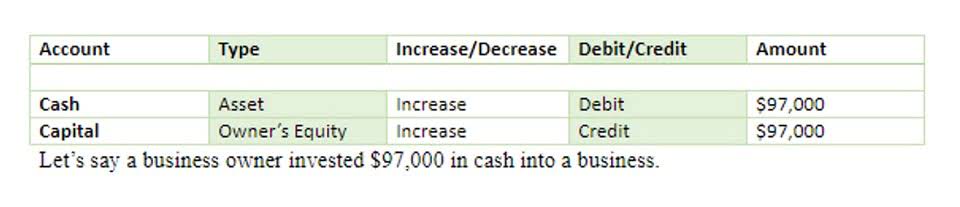
The retainer fee is vital to both the client and the consultant since this ensures that the firm is working for the client and the client, in turn, can manage how much to spend for the work. In addition, keeping the fee in separate accounts ensures that funds are not used for personal purposes, and funds represent the pendency of services to be performed by the consultant. Also, retainer fees confirm the receipt of consideration against the services performed.
The agreement is normally made for a year and then renewed based on last year’s services. So, this fee is like a fixed cash inflow for the service provider with a commitment to future services. Think of a retainer agreement less as a contract and more as securing a strategic partner for your corner. It’s a formal arrangement where you pay an upfront fee to a professional—often an attorney or a high-level consultant—to guarantee their availability and expertise over a set period. Importantly, this type of retainer is usually refundable when the lawyer resolves the case faster than expected. To illustrate how a retainer fee works in real estate, let’s consider a hypothetical scenario.
The Purpose of a Retainer Fee

As a service provider, it’s important to monitor the time you spend on client projects. This helps you stay within your agency’s budget and guarantees you are compensated for all your work. Make sure to indicate when the retainer contract will end and specify how many days’ notice is required for either party to terminate the retainer agreement. Project-based retainers are a great way for marketing and creative agencies to take on new clients without getting bogged down in an ongoing relationship.